
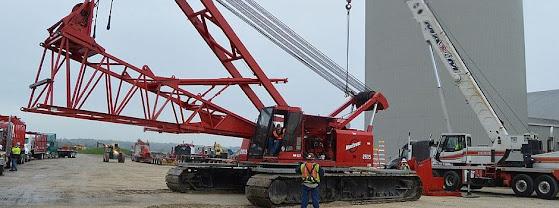
When it comes to purchasing a crane for your construction project, you can’t afford to make a misstep. The right crane can make all the difference in terms of efficiency, safety, and cost. But where do you start? You’ve got to consider the project’s specific needs, from load weight to workspace constraints. You’ll need to choose the right crane type, assess its capacity and reach, and evaluate the terrain and environment. And that’s just the beginning. By following a meticulous process, you’ll be able to find the perfect crane for your project – but what are the key steps to get you there? crane leasing.
Determine Project Requirements
When preparing to purchase a crane, take a step back to assess your project’s specific needs.
You’ll want to consider the weight and size of the loads you’ll be lifting, as well as the distance and height you’ll need to reach. Think about the terrain and workspace constraints, too – will you be working on uneven ground, or in a tight, urban space?
Next, calculate the maximum crane capacity you’ll require.
This will depend on the heaviest loads you’ll need to lift, as well as any additional weight from equipment or attachments. Don’t forget to factor in any safety margins you’ll need to ensure a stable and secure lift.
You’ll also need to think about the frequency and duration of crane use.
Will you need the crane for a one-time lift, or will it be a regular part of your project workflow? Finally, consider any regulatory or compliance issues that may impact your crane purchase.
Choose the Right Crane Type
Your project’s unique requirements will dictate the type of crane you need.
You’ll need to consider factors like the site’s terrain, the weight and size of the materials you’ll be lifting, and the space constraints of your construction site.
There are several types of cranes to choose from, including mobile cranes, tower cranes, and overhead cranes. Mobile cranes are versatile and can be transported easily to different locations, making them ideal for projects with multiple sites.
Tower cranes, on the other hand, are better suited for large, long-term projects that require heavy lifting.
Overhead cranes are typically used in factories or warehouses and are designed for repetitive lifting tasks.
You’ll also need to consider the power source of your crane – electric, hydraulic, or diesel.
Each type has its advantages and disadvantages, so it’s essential to weigh your options carefully.
Assess Capacity and Reach Needs
You’ve selected the right crane type for your project, now it’s time to focus on its capacity and reach.
The capacity of a crane refers to the maximum weight it can lift safely. To determine the required capacity, calculate the weight of the heaviest load you’ll need to lift and add a 10-15% safety margin.
Consider the weight distribution and the center of gravity of the load as well.
The reach of a crane refers to its maximum horizontal distance from the center of rotation to the load. Calculate the reach by measuring the distance from the crane’s base to the farthest point where you’ll need to lift a load.
Consider the height of the lift as well, as it affects the crane’s stability and capacity. Ensure you have enough clearance around the crane to rotate and maneuver safely.
Evaluate Terrain and Environment
The crane’s operating site is a critical factor in determining its suitability for your project.
You need to consider the terrain, soil conditions, and environmental factors that may affect the crane’s performance and safety. For instance, if you’re working on a project in a coastal area, you’ll need to ensure the crane is designed to withstand saltwater corrosion and high winds.
You should also evaluate the site’s accessibility, including the width of roads and gates, to ensure the crane can be easily transported and assembled.
Additionally, consider the proximity of nearby obstacles, such as power lines, buildings, or other structures, that may interfere with the crane’s operation. If you’re working in an urban area, noise restrictions and proximity to residential zones may also be a concern.
Inspect and Test the Crane
Having assessed the operating site, it’s time to shift focus to the crane itself.
You’ll want to conduct a thorough inspection to ensure the crane is in good condition and meets your project’s requirements. Check the crane’s load charts, specifications, and certifications to verify its capacities and capabilities.
Inspect the boom, mast, and other structural components for signs of wear, corrosion, or damage.
Next, test the crane’s systems and functions, including the hoist, swing, and travel mechanisms.
Operate the crane through its full range of motion to identify any issues or malfunctions. Check the crane’s safety features, such as alarms, lights, and emergency stops, to ensure they’re functioning properly.
You should also review the crane’s maintenance records and ask the seller about its maintenance history and any repairs or upgrades that have been made.
Conclusion
You’ve made it through the crucial steps to purchasing a crane for your construction project. Now, you’re confident you’ve got the right equipment for the job. By determining project requirements, choosing the right crane type, assessing capacity and reach needs, evaluating terrain and environment, and inspecting and testing the crane, you’ve ensured a safe and efficient project. Remember, a well-chosen crane means a successful project, so take pride in your thorough approach.