
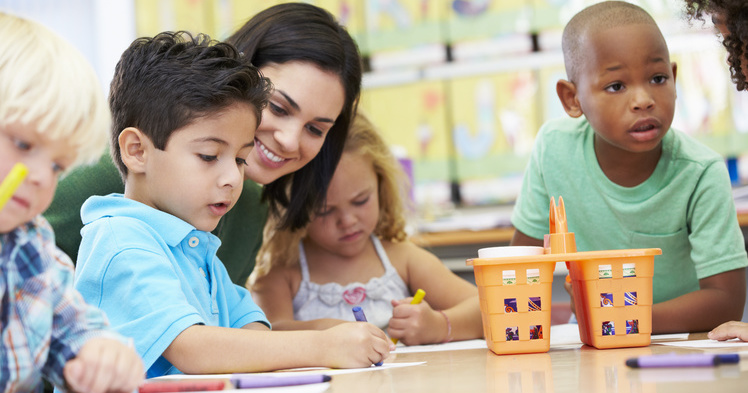
In the early years of life, social skills are just as important as reading, writing, and numbers. The ability to interact positively with others, express emotions, and build relationships lays the foundation for a child’s success in school and life. At Mullins Day Care Child Care, fostering social development is at the heart of everything they do. Here, children don’t just learn—they grow into confident, empathetic, and socially aware individuals.
A Nurturing Environment for Social Growth
The first step in promoting social skills is creating a safe and welcoming environment. Mullins Day Care provides a warm, structured space where children feel comfortable to express themselves and interact with peers. Classrooms are thoughtfully arranged to encourage collaboration, conversation, and cooperative play.
Outdoor play areas are equally inviting, offering opportunities for teamwork, imaginative play, and problem-solving. In this safe and stimulating environment, children learn to navigate social situations naturally, gaining confidence as they interact with others.
Guided Interactions by Caring Educators
The staff at Mullins Day Care are more than teachers—they are mentors and role models who guide children through social experiences. Every interaction is an opportunity for learning. Teachers encourage children to share, listen, and express themselves while providing gentle guidance when conflicts arise.
For instance, when two children reach for the same toy, teachers step in to help them negotiate and take turns. These moments may seem small, but they teach essential skills: patience, empathy, and respectful communication. Children learn not only how to interact with others but also how to understand emotions—their own and those of their peers.
Play-Based Learning That Encourages Teamwork
Play is central to social development, and Mullins Day Care uses play-based learning to teach valuable social skills. Group games, collaborative projects, and imaginative play scenarios encourage children to work together toward shared goals.
Activities such as building a block tower, role-playing in a pretend store, or completing a group art project help children develop teamwork, negotiation, and problem-solving skills. They learn how to express ideas, listen to others, and compromise when necessary. These experiences create a strong foundation for healthy social interactions that will benefit them throughout their lives.
Developing Emotional Intelligence
Social skills go hand in hand with emotional intelligence. At Mullins Day Care, children are encouraged to identify and express their feelings in a safe, supportive setting. Teachers use storytime, role-playing, and guided discussions to help children recognize emotions and respond appropriately.
Understanding emotions is key to empathy. Children learn to notice when a friend is upset, celebrate someone else’s success, and offer help or comfort. These early lessons in empathy and emotional awareness strengthen friendships and enhance children’s overall social development.
Conflict Resolution and Problem-Solving
Conflicts are a natural part of social interaction, and Mullins Day Care treats them as valuable learning opportunities. Teachers guide children in resolving disagreements peacefully, encouraging them to use words, compromise, and find mutually agreeable solutions.
By learning conflict resolution at an early age, children develop critical life skills. They gain confidence in handling challenges, respect others’ perspectives, and understand that disagreements can be solved without anger or frustration. This skill-building prepares them for both school settings and everyday life.
Encouraging Communication Skills
Clear communication is a cornerstone of social success. Mullins Day Care promotes language development through storytelling, group discussions, and interactive activities. Children are encouraged to ask questions, express ideas, and articulate their thoughts in ways that are respectful and clear.
Through these activities, children build confidence in speaking and listening—skills that are vital for collaboration, academic success, and personal growth.
Parental Involvement and Support
Mullins Day Care recognizes that social skill development continues at home. Teachers work closely with parents, providing tips and guidance on reinforcing social skills outside the center. Regular updates, parent-teacher conferences, and collaborative discussions ensure that families are active participants in their child’s social growth.
This partnership between caregivers and parents helps children develop consistency in social behaviors, both at home and in the center, making learning these skills more natural and long-lasting.
Why Mullins Day Care Excels in Social Development
At Mullins Day Care, social skills are nurtured with intention, care, and expertise. Children leave the center not only academically prepared but also socially confident, emotionally intelligent, and ready to form meaningful relationships. Parents trust Mullins because it provides a safe, enriching environment where children learn the essential skills for interacting positively with others.
A Place Where Friendships and Confidence Grow
Mullins Day Care Mullins Child Care in Pleasanton is more than a daycare—it’s a community where children develop friendships, learn empathy, and grow in confidence. By encouraging communication, cooperation, emotional awareness, and conflict resolution, Mullins ensures that every child has the tools to navigate social situations with ease.
Here, children don’t just play—they learn, grow, and develop the social skills that will serve as a foundation for a lifetime of meaningful connections.